scrcpy
Android screen mirror and control from desktop
scrcpy shows Android device video and audio over USB or TCP/IP and forwards keyboard and mouse input. It needs no root or on-device app and runs on Linux, Windows, and macOS.
Self-hosted WebRTC screen sharing for developers
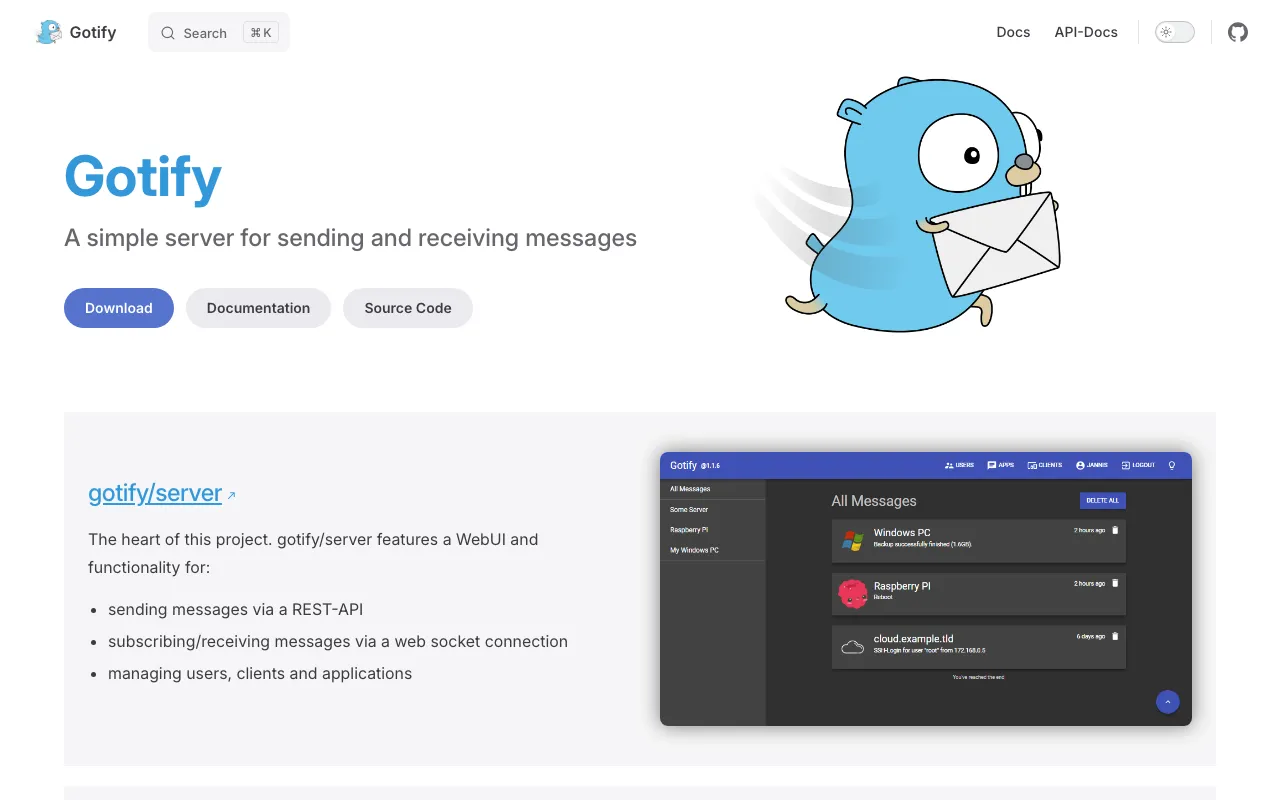
Screego shares your screen over the browser with low latency and readable resolution, meant as a complement to existing chat tools.
Screego is a screen-sharing server aimed at developers who need colleagues to read on-screen code clearly. It focuses only on sharing the display—not chat, meetings, or file transfer—and uses WebRTC for the media path.
Sessions can include multiple participants viewing the same share. The stack is built for low latency and higher resolution than the author experienced with some corporate chat products when showing code. An integrated TURN server helps connections across NAT.
Operators install Screego via Docker or a single binary distribution. Configuration and installation guides are published alongside a demo or public instance for trying the product before self-hosting.
Screego is designed to sit beside existing workplace software rather than replace full conferencing suites.
Android screen mirror and control from desktop
scrcpy shows Android device video and audio over USB or TCP/IP and forwards keyboard and mouse input. It needs no root or on-device app and runs on Linux, Windows, and macOS.
Open-source remote desktop with optional self-hosted servers
RustDesk is remote desktop software for Windows, macOS, Linux, and Android that can connect through project relay servers or infrastructure you run yourself.
Cross-platform Android screen mirror and control
QtScrcpy displays and controls Android devices over USB or Wi‑Fi without root. It targets low latency mirroring with keyboard, mouse, recording, and multi-device options on Linux, Windows, and macOS.
Keyboard and mouse sharing across nearby computers
Deskflow lets one computer’s keyboard, mouse, or trackpad control other machines on the network, with TLS, clipboard sync, and Wayland support on Linux.
Linux desktop integration for Windows apps
WinBoat is an Electron front end that installs Windows in a Docker or Podman VM and shows apps as native Linux windows via FreeRDP RemoteApp. It targets KVM hosts with automated setup and home-directory sharing.

Self-hosted collaborative virtual browser over WebRTC
Neko is a self-hosted virtual browser that runs in Docker and streams over WebRTC. Multiple people can view and control the same session in real time.