
TensorFlow
End-to-end machine learning platform and tooling ecosystem
TensorFlow is a machine learning platform with Python and C++ APIs, optional GPU packages, and companion libraries for data, training, deployment, and visualization.

Identity, messaging, and payments layer for AI agents
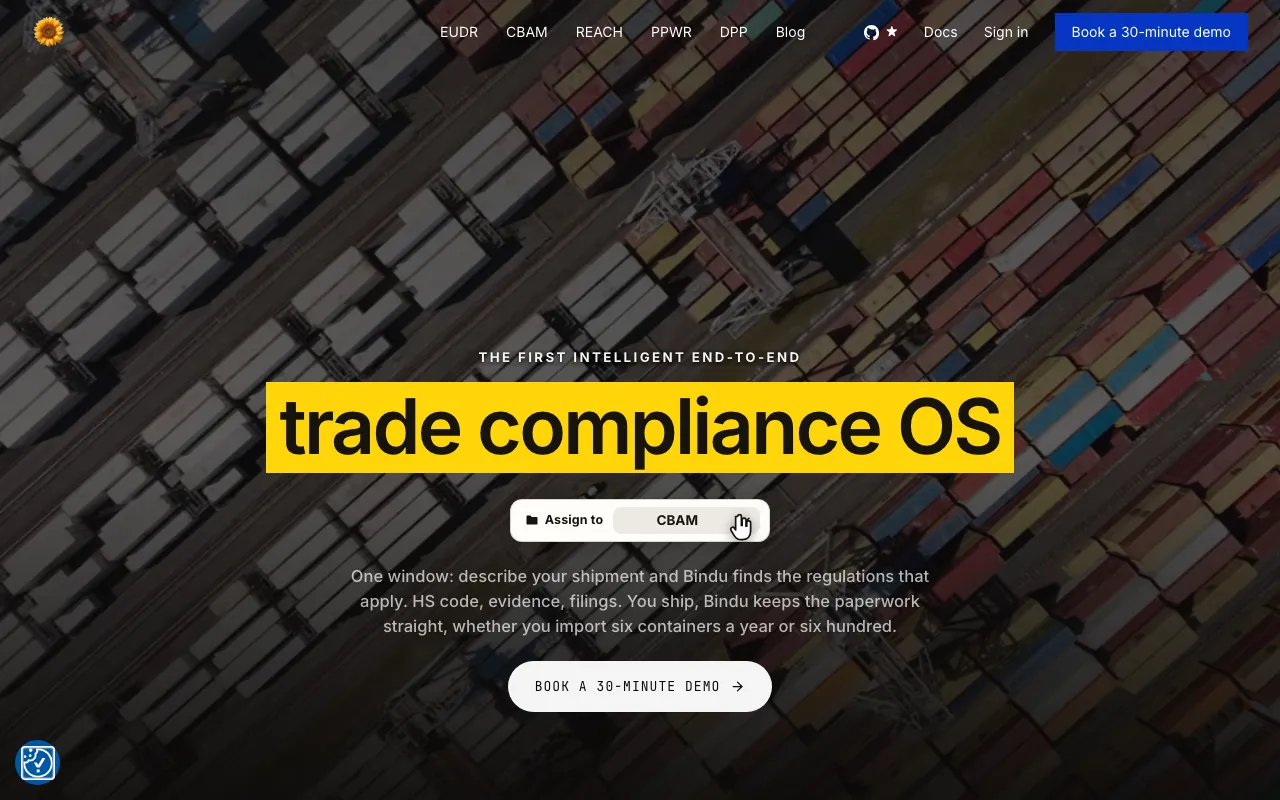
Bindu wraps agent handlers with bindufy() to add W3C DID identity, A2A JSON-RPC, OAuth2, mTLS, and optional x402 USDC payments.
Bindu is a framework that supplies identity, communication, and payments plumbing for AI agents. Developers keep a simple message handler while bindufy() online agents with cryptographic identities, A2A protocol endpoints, and optional paid access via x402 USDC on EVM chains.
Security middleware runs by default: mutual TLS on the socket, Hydra OAuth2 bearer scopes, and Ed25519 DID signatures over canonical JSON bodies. The same DID ties together certificate SAN, OAuth client ID, and message signing. SDKs for Python, TypeScript, and Kotlin share a gRPC core so protocol behavior stays consistent.
Features include task storage on Postgres, Redis-backed scheduling, push notifications, declared public and private skills, agent negotiation, concurrency limits, public FRP tunnels with expose: true, a gateway planner orchestrating multiple agents, and cloud deploy helpers that ship scripts to microVMs. The inbox demo visualizes signed agent-to-agent threads.
The authors use Bindu in production for trade-compliance agent swarms and invite other agent builders to join the network. It builds on open protocols such as A2A and x402 and integrates with common LLM agent frameworks without dictating which one you use inside the handler.
End-to-end machine learning platform and tooling ecosystem
TensorFlow is a machine learning platform with Python and C++ APIs, optional GPU packages, and companion libraries for data, training, deployment, and visualization.

Shared model definitions for multimodal ML workloads
Transformers is a Python library that defines pretrained text, vision, audio, and multimodal models once in PyTorch for shared inference and training across the ecosystem.

Open-source RAG engine and agent context platform
RAGFlow ingests heterogeneous documents, builds retrievable knowledge, and supports agent workflows with citations. It can run on your own hardware with Docker or a from-source server stack.

Local LLM context compression library and proxy
Headroom shrinks tool outputs, logs, JSON, and chat history before LLM calls to cut input tokens while preserving retrievable originals. It offers a Python library, proxy, MCP tools, and agent wrappers.

Local desktop workspace to run and fine-tune AI models
Unsloth is a desktop application to chat with, fine-tune, and serve LLMs, diffusion, audio, and embedding models on your own hardware with optional agent integrations.

TensorFlow reference models and modeling utilities collection
The TensorFlow Model Garden hosts implementations of models and modeling solutions for TensorFlow, installable via pip as tf-models-official.