
mall
Spring Boot e-commerce with storefront and admin
Mall is a full e-commerce stack with a customer-facing shop and a back-office admin console, built on Spring Boot and MyBatis and packaged for container deployment.

Open-source ecommerce platform built on WordPress
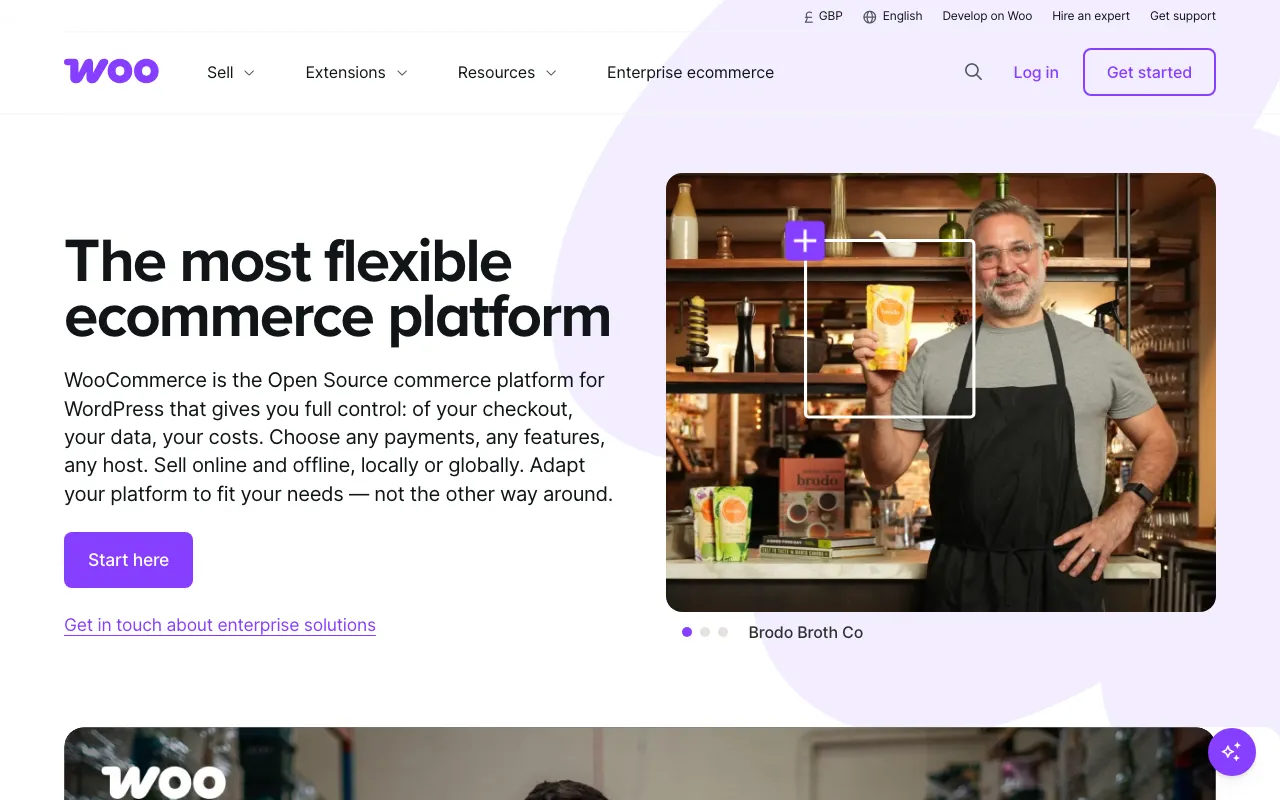
WooCommerce is an open-source ecommerce platform for WordPress that gives merchants control over checkout, data and costs. It works with any payment provider, host and extension, for online and offline selling.
WooCommerce is an open-source commerce platform that runs on WordPress. It lets merchants and developers build online stores while keeping control of the checkout, their data and their costs. Stores can use any payment provider, any set of features and any host, and can sell online and offline, locally or globally.
The platform is extended through hundreds of extensions and themes, which add features and change how a store looks. Because it is open source, developers can customize or build on it, and agencies use it to create stores for clients. The website mentions WooPayments with Apple Pay, and automatic syncing of sales across a site, TikTok, marketplaces such as Amazon and third-party retailers.
The monorepo holds the core WooCommerce plugin along with the plugins, PHP and JavaScript packages, and tools used to develop it and its extensions. Support requests go through a self-help guide, a premium support portal for customers who bought themes or extensions, and a community Slack, not the issue tracker. The website also offers enterprise inquiries and customer success support.
WooCommerce doesn't name these products itself, but its own description shows it does the same job.
Spring Boot e-commerce with storefront and admin
Mall is a full e-commerce stack with a customer-facing shop and a back-office admin console, built on Spring Boot and MyBatis and packaged for container deployment.

Open-source commerce platform with a built-in customization framework
Medusa is an open-source commerce platform with a customization framework and admin dashboard. It supplies commerce primitives such as products, carts, orders and payments for B2B or DTC stores, marketplaces and PoS systems.

Open-source Laravel eCommerce and multi-vendor marketplace platform
Bagisto is an open-source eCommerce platform built on Laravel and Vue.js for single-vendor stores, B2B commerce and multi-vendor marketplaces. It can be installed with Composer or run from Docker images.

Open-source, GraphQL-only headless commerce platform for composable ecommerce
Saleor is an API-only, headless ecommerce backend with a GraphQL API. It covers product management, orders, checkout, payments and multichannel selling, and is extended through webhooks and apps rather than plugins.
Small mall stack with Spring Boot and Vue clients
Litemall bundles a Spring Boot backend with a Vue admin console, a WeChat mini program storefront, and a Vue mobile shop. It covers catalog, cart, checkout, and back-office mall operations.

Open-source headless commerce platform for B2B, marketplaces and DTC
Spree is an open-source headless commerce platform with REST APIs, TypeScript SDKs, a React admin dashboard and a Next.js storefront. It supports multi-vendor marketplaces, B2B and wholesale, cross-border and omnichannel selling.